
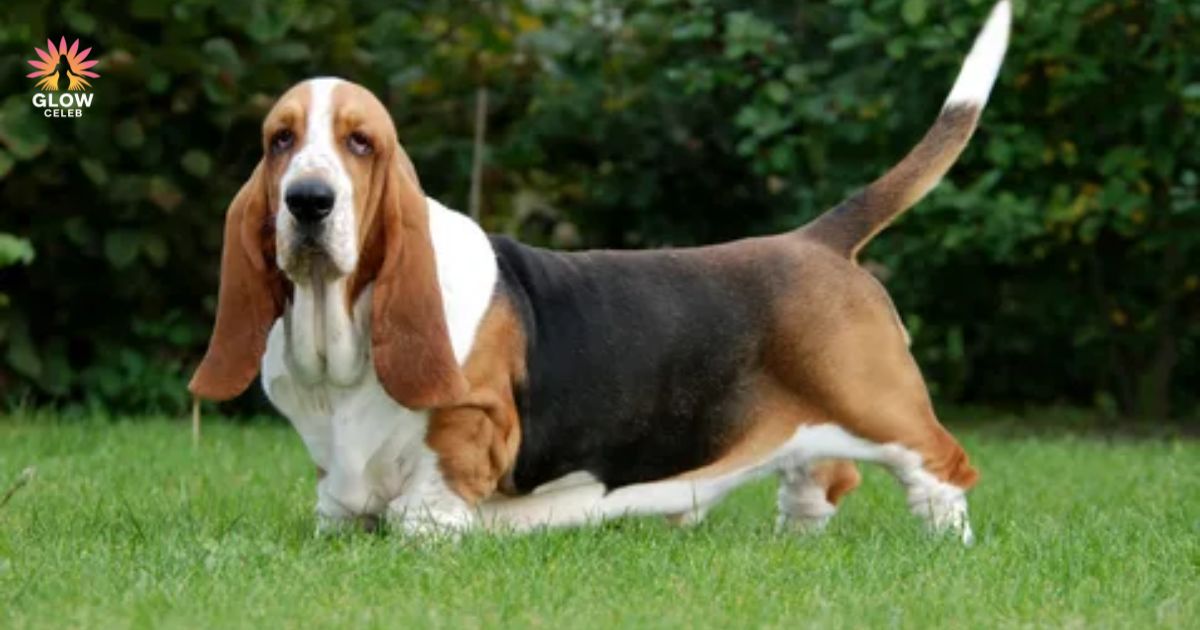
Introduction to Basset Hounds
The Basset Hound is a charming and distinctive breed known for its droopy ears, short legs, and long, low-slung body. Descended from the historic St. Hubert Hound, Basset Hounds were originally bred in France to track rabbits and small game using their incredibly strong sense of smell. Today, they are popular companion pets in the USA, loved for their gentle, friendly nature and calm personality. Despite their hunting origins, low-energy dogs like Basset Hounds are ideal for families seeking loyal, affectionate pets that enjoy moderate daily walks and mental stimulation. Their unique appearance and endearing temperament make them unforgettable companions.
Understanding Basset Hound Behavior and Personality
Basset Hounds have a calm, friendly nature that makes them excellent family pets. Their behavior is affectionate and loyal, though they can be stubborn at times. Their independent personality can make training a bit challenging. They enjoy spending time with their owners and may develop separation anxiety if left alone for long periods. Mental enrichment is essential to keep them happy and engaged.
Socially, Basset Hounds are generally good with humans and other pets. Early socialization helps prevent shyness or aggression. They have a distinctive bark and vocal style they use to communicate excitement, frustration, or alertness. Their strong sense of smell often leads them into mischief, so supervision is important, especially outdoors. With positive reinforcement training, they respond well and learn effectively.
Choosing the Right Owner for a Basset Hound

Basset Hounds suit owners who have patience and appreciate low-energy dogs. Their lifestyle needs include moderate exercise, mental stimulation, and regular attention. They thrive in homes where family members interact with them consistently and provide gentle guidance. Owners who enjoy training and establish routines will see the best results.
Caring for a Basset Hound involves daily walks, proper feeding, grooming, and occasional vet visits. Their ideal living environment includes safe indoor play areas and a small yard. Because of their low-to-the-ground build, they should not jump from high surfaces. With proper care and attention, Basset Hounds flourish as affectionate companion pets.
Basset Hound Health Issues You Must Know
Basset Hounds are prone to several health issues, including hip dysplasia, elbow dysplasia, arthritis, and intervertebral disc disease (IVDD). Their short legs and long back make them more susceptible to spinal and joint problems. Early detection and vet-recommended care can prevent complications and improve their quality of life.
Ear infections are common due to their droopy ears. Regular cleaning and medicated dog shampoo help prevent infection. Another major concern is bloat and gastric dilatation-volvulus (GDV), a life-threatening condition caused by the stomach twisting. Following a strict feeding schedule and using a slow feeder bowl helps reduce the risk. Regular exercise, weight management, and joint supplements also support overall health.
Nutrition and Feeding Guide
Feeding a Basset Hound a balanced, high-quality diet is essential for maintaining good health. Proper nutrition supports their needs at different life stages, whether puppy or adult. Avoid table scraps and human foods, as they can cause obesity and digestive issues. Meals should be measured based on the dog’s weight, age, and activity level.
Adult Basset Hounds usually do well with two meals per day, while puppies require more frequent feedings. Foods rich in omega-3 and omega-6 fatty acids help support joint and skin health. Maintaining a healthy weight is crucial for preventing obesity, especially since Basset Hounds are naturally low-energy dogs.
Grooming and Hygiene Essentials
Regular coat care keeps a Basset Hound healthy and comfortable. Weekly brushing reduces shedding and prevents matting. Their wrinkly skin needs careful cleaning and thorough drying to prevent infections. Bathing with medicated dog shampoo helps manage allergies and keep their skin in good condition.
Eye and ear care are also essential. Their droopy ears trap moisture, increasing the risk of ear infections. Cleaning their ears twice a week helps prevent this. Consistent grooming keeps them clean, healthy, and comfortable.
Training Your Basset Hound
Training a Basset Hound requires patience and positive reinforcement. Although they are independent, they respond well to treats and praise. Starting with basic commands and gradually increasing complexity helps them learn effectively.
Socialization from an early age prevents shyness and aggression. Fun activities such as scent tracking, puzzle toys, and gentle agility exercises provide mental stimulation and reduce unwanted behavior. Proper training helps keep them mentally sharp and well-behaved.
Exercise and Mobility Needs
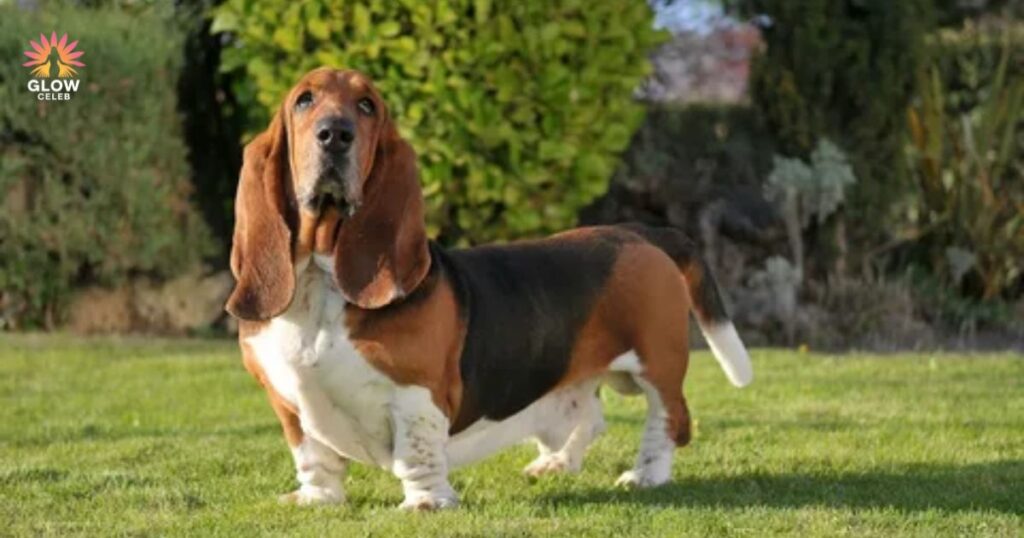
Basset Hounds need moderate daily exercise to prevent obesity and support joint health. Short walks, gentle play, and interactive toys are ideal for meeting their exercise needs. Although they are low-energy dogs, they still require mental and physical engagement.
Managing mobility is important, especially as they age. Owners can use ramps, limit stair climbing, and provide joint supplements to support mobility. Outdoor scent walks satisfy their natural instincts while keeping them active. Regular exercise helps maintain strong joints and a healthy weight.
Adoption and Preparing Your Home
Before adopting a Basset Hound, ask about the dog’s health, behavior, and background to ensure responsible ownership. Choosing between a puppy and an adult dog depends on your lifestyle, time availability, and training preferences.
Preparing your home includes creating safe spaces, providing toys for mental stimulation, and arranging comfortable resting areas. Basset Hounds thrive in structured, loving environments. Consider pet insurance to help cover unexpected veterinary expenses.
Common Mistakes to Avoid as a Basset Hound Owner

Overfeeding is a common mistake that leads to obesity. Maintaining a strict feeding schedule, using a slow feeder bowl, and monitoring calorie intake are essential. Skipping routine veterinary checkups can worsen underlying issues such as joint problems or ear infections. Regular vet visits are important for long-term health.
Poor training or lack of socialization can cause stubbornness, excessive barking, or destructive behavior. Early positive reinforcement training and consistent socialization prevent these issues. Understanding your Basset Hound’s unique needs ensures a healthy, happy, and well-behaved companion.
Table: Quick Health Overview of Basset Hounds
| Health Issue | Common Signs | Preventive Measures |
| Hip & Elbow Dysplasia | Limping, stiffness | Joint supplements, weight control |
| Arthritis | Painful movement | Moderate daily exercise, vet care |
| IVDD | Back pain, paralysis | Avoid high jumps, spine support |
| Ear Infections | Redness, odor | Weekly ear cleaning, medicated shampoo |
| Bloat (GDV) | Distended abdomen, retching | Two small meals, slow feeder bowl |

Hello, I’m Sami, a professional content writer at GlowCeleb, specializing in celebrity news, lifestyle, business, tech, and entertainment. I create well-researched, SEO-friendly articles that keep readers informed and engaged. My goal is to deliver reliable, trending, and high-quality content that reflects GlowCeleb’s commitment to excellence.