
Why Packaging Is the Silent Growth Engine of Celebrity Beauty
Celebrity-founded skincare and cosmetics brands rarely win on formula alone. In a crowded retail aisle—and an even more competitive social media feed—the first impression happens seconds before a consumer ever tests a serum or swatches a lip gloss. Sharp typography, tactile finishes, and camera-ready unboxing moments turn everyday personal care items into shareable status symbols.
When a beauty launch goes viral on short-form video platforms, viewers scrutinize every millimeter of the physical presentation. A smudged ingredient label, an uneven pouch seal, or a flimsy retail carrier bag immediately undermines a luxury price point. Consequently, top beauty founders treat packaging engineering not as a back-office logistics expense, but as a frontline customer-acquisition channel.
Behind every photogenic skincare drop and boutique cosmetics unboxing lies a highly engineered industrial supply chain. Achieving crisp typography on moisture-resistant cosmetic labels, seamless seals on stand-up refill pouches, and clean folds on luxury retail paper bags requires specialized converting machinery. International packaging equipment manufacturers such as KETE—whose global and Spanish-market engineering divisions build dedicated beauty and personal care packaging lines covering adhesive label printing, pouch making, and paper bag production across more than 80 countries—demonstrate how back-end manufacturing precision directly enables front-end brand prestige.
In modern celebrity beauty, industrial packaging precision is the invisible infrastructure that converts viral attention into repeat luxury credibility.
From Viral Aesthetic to Factory Floor: The Tech Behind Beauty Labels and Bags
Translating a mood board into hundreds of thousands of identical retail units demands tight process tolerances on the converting floor. Two visible touchpoints—the primary product label and the secondary retail bag—carry disproportionate weight in shaping consumer perception.
High-Resolution Label Printing for Skincare and Cosmetics
Cosmetic containers live in hostile daily environments. Cleansers sit in steamy showers, facial oils coat fingers during application, and travel tubes rub constantly inside makeup bags. Standard paper stickers peel, bubble, or smear within days under those conditions.
To keep minimalist branding spotless from the first pump to the last drop, beauty converters rely on specialized pressure-sensitive adhesive labels printed on inline flexographic and hybrid digital-flexo presses:
- Moisture-, oil-, and scuff-resistant substrates:Synthetic film label stocks paired with protective overprint varnishes or clear matte laminates repel essential oils, water vapor, and friction without yellowing.
- Micro-typography and Pantone color fidelity:Modern inline flexographic presses pair high-line-screen anilox rolls with automated camera-based vision inspection systems, catching microscopic registration shifts or ink density variations across million-unit production runs.
- Tactile finishing integration:Inline cold-foiling, embossing, and soft-touch coatings allow brands to achieve flagship-counter polish at high converting speeds rather than relying on slow, hand-applied embellishments.
Boutique Paper Bags and Secondary Retail Packaging
Even for digital-native beauty labels, pop-up shops, department store counters, and VIP influencer gifting have revived the commercial power of secondary retail packaging. A structured boutique paper bag functions as a walking billboard long after a shopper leaves the store.
Just as founder-led fashion labels demonstrated while scaling into global lifestyle icons—seen in how Stacey Bendet expanded Alice + Olivia into a recognizable global retail empire—cohesive physical retail presentation reinforces brand equity at every customer touchpoint. In luxury beauty retail, converters achieve this through engineered square-bottom paper bags featuring reinforced twisted or flat paper handles, crisp gusset creases, and optional die-cut display windows that showcase limited-edition gift sets without excess plastic inserts.
Consistency across adhesive labels and structured boutique bags ensures a beauty brand feels just as elevated in a customer’s bathroom as it does in an editorial campaign.
The Rise of Flexible Refill Pouches in Clean Beauty
While heavy glass jars and sculpted acrylic pumps once defined prestige skincare, a structural shift is underway across both celebrity-backed labels and indie clean beauty startups. Increasingly, brands pair a permanent, keepsake primary dispenser with flexible stand-up refill pouches for ongoing replenishment.
Why Refill Pouches Are Replacing Single-Use Rigid Bottles
Refill pouches solve an operational and commercial tension that single-use rigid bottles cannot easily fix—especially for high-turnover categories like shampoos, body washes, hand soaps, and daily hydrating cleansers:
- Material reduction and lighter shipping:A flexible spouted refill pouch uses substantially less plastic resin by weight than a comparable rigid HDPE or PET pump bottle, cutting freight emissions and e-commerce parcel costs.
- Higher repeat-purchase economics:Offering refills at a slight per-ounce savings rewards loyal customers for keeping their original countertop bottle, boosting retention and subscription adoption.
- Authentic sustainability storytelling:Celebrity entrepreneurs across consumer categories—such as Jaden Smith’s sustainable packaging venture with Just Water—have shown that Gen Z and millennial buyers actively reward tangible material reductions over vague eco-slogans.
Balancing Barrier Protection with Minimalist Design
Clean beauty formulas often carry strict stability challenges. Vitamin C serums, botanical oils, retinol complexes, and preservative-light emulsions degrade quickly when exposed to oxygen or UV light.
Modern flexible converters solve this without sacrificing sleek, minimalist aesthetics through engineered multi-layer lamination and precision heat sealing. By bonding protective barrier films with clean-peeling inner sealant layers—and controlling jaw temperature, pressure, and dwell time during pouch making—brands achieve leak-proof spouted pouches that protect active ingredients through months of transit and shelf storage.
| Format | Core Consumer Appeal | Key Production Requirement | Sustainability Advantage |
| Adhesive Printed Label | Crisp minimalist branding, shade clarity, and water/oil durability during daily use | High-resolution inline flexo printing, oil-resistant varnish, and automated vision inspection | Enables lightweight bottle reuse and clean wash-off separation during recycling |
| Stand-Up Refill Pouch | Mess-free spout pouring, lower refill cost per ounce, and clutter-free storage | Multi-layer barrier lamination, accurate registration, and leak-proof thermal sealing | Significantly lower virgin plastic mass and shipping footprint versus single-use rigid bottles |
| Luxury Paper Carrier Bag | Boutique gifting prestige, sturdy feel, and reusable retail visibility | Automated square-bottom folding, reinforced flat/twisted handles, and clean water-based print | Fiber-based, renewable, and widely compatible with curbside paper recycling streams |
Flexible refill pouches let beauty brands preserve countertop luxury while dramatically reducing the material footprint of every repeat order.
The Sustainability Reality Check: Why Circular Design Matters Now
Still, visual appeal alone is no longer enough to satisfy eco-conscious shoppers or tightening regulations. As highlighted in aForbes analysis on circular beauty packaging, data from the Ellen MacArthur Foundation indicates that 62% of beauty packaging remains non-recyclable in practice—largely because small components under two inches and mixed plastic-metal pumps fail standard curbside sorting. That reality is accelerating the shift toward simplified mono-material formats and lightweight flexible refills.
For beauty executives, the gap between technically recyclable and practically recycled has become a serious business risk. Mixed-resin dropper assemblies, metal spring pumps, dark pigments that evade optical sorters, and inseparable foil-plastic composites routinely end up diverted to landfill even when consumers place them in recycling bins.
In response, forward-looking packaging engineers are redesigning beauty lines around two practical pillars: mono-material flexible structures (such as all-PE recyclable refill pouches that move cleanly through dedicated film recovery streams) and paper-first secondary packaging free of heavy plastic lamination. Combined with tightening frameworks like the EU’s Packaging and Packaging Waste Regulation (PPWR), circular compatibility is shifting from a niche marketing perk into a baseline requirement for global retail distribution.
True sustainability in beauty now depends on designing packaging that real-world recycling infrastructure can actually sort and recover—not just printing a green claim on the box.
What Emerging Lifestyle Brands Can Learn from Top Beauty Launches
You do not need a household-name celebrity founder to apply the same packaging playbook that drives prestige conversions. Emerging skincare, wellness, and lifestyle founders can sharpen both brand perception and unit margins by following three disciplined principles:
- Prioritize label and outer-bag tactility early:Before investing in expensive custom bottle molds, test high-resolution moisture-resistant adhesive labels and crisp square-bottom boutique paper bags—these two touchpoints deliver immediate luxury cues with manageable tooling budgets.
- Architect refill SKUs before scaling volume:Design your flagship rigid bottle alongside a matching spouted refill pouch from day one so loyal buyers naturally graduate into lower-freight, higher-margin replenishment orders.
- Avoid over-engineered, unrecyclable material mixes:Skip unnecessary mixed-material pumps, heavy plastic-coated gift boxes, and sub-two-inch novelty components that complicate compliance and alienate sustainability-minded retail buyers.
Winning beauty packaging balances shelf-stopping precision with smart, circular material choices—proving that modern luxury is as disciplined behind the scenes as it is effortless on screen.
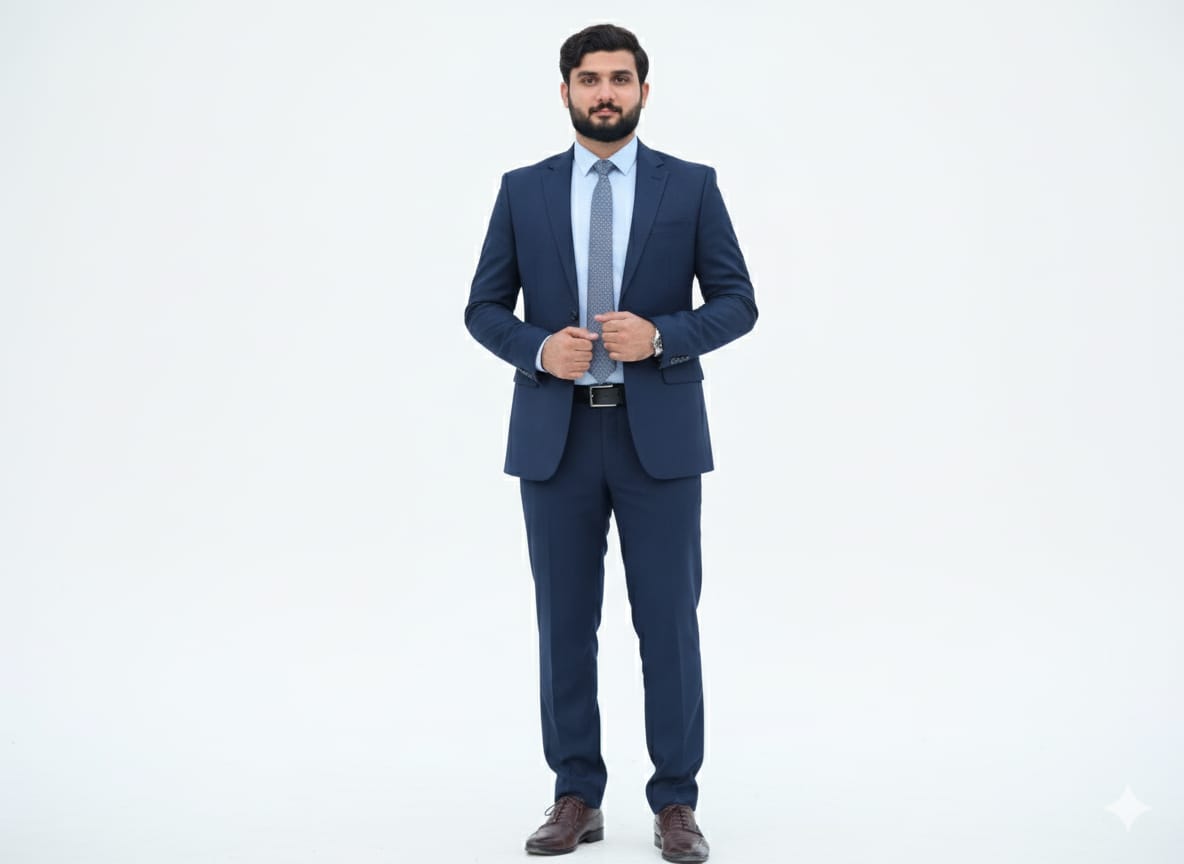
Hello, I’m Sami, a professional content writer at GlowCeleb, specializing in celebrity news, lifestyle, business, tech, and entertainment. I create well-researched, SEO-friendly articles that keep readers informed and engaged. My goal is to deliver reliable, trending, and high-quality content that reflects GlowCeleb’s commitment to excellence.